
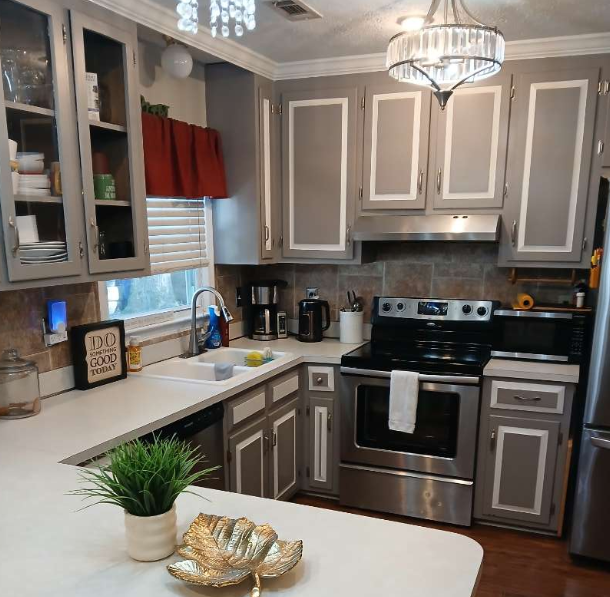
Kitchens and bathrooms are often the first rooms homeowners clean and some of the quickest to look dirty again. You can wipe the counters, clean the sink, sweep the floor, and still notice that the room does not feel completely clean.
That happens because routine surface cleaning focuses mainly on visible, frequently used areas. Meanwhile, cooking residue, soap buildup, crumbs, hair, dust, water spots, and everyday grime can gradually collect around fixtures, cabinet fronts, appliance surfaces, floor edges, and other less obvious places.
This is where kitchen and bathroom deep cleaning becomes useful. It goes beyond everyday maintenance by giving more detailed attention to areas that are easy to overlook during a quick cleaning session.
Understanding the difference can help homeowners spend less time repeatedly cleaning the same surfaces while other areas continue accumulating buildup.
Surface Cleaning and Deep Cleaning Serve Different Purposes
Regular surface cleaning plays an important role in maintaining a home. The CDC explains how routine cleaning removes dirt and many germs from household surfaces. Wiping kitchen counters after preparing food, cleaning bathroom sinks, sweeping floors, and addressing visible spills prevent everyday mess from getting out of control.
However, those tasks are primarily maintenance. They usually focus on what needs immediate attention rather than the entire room.
Deep cleaning takes a more detailed approach. Instead of stopping when the countertop looks clean, you might notice residue on the backsplash, fingerprints on cabinet fronts, crumbs along floor edges, or buildup around frequently handled areas.
The same principle applies in bathrooms. A clean sink does not necessarily mean the areas around fixtures, the baseboards, shower surfaces, or floor edges have received the same attention.
Both types of cleaning matter. Routine cleaning maintains the room, while periodic detailed cleaning addresses what everyday maintenance tends to leave behind.
Why Kitchens Need More Detailed Cleaning
Kitchens experience several types of mess at once. The CDC recommends regularly cleaning frequently touched surfaces, making handles and counters useful places to prioritize. Food preparation creates crumbs and spills, cooking can leave residue on nearby surfaces, and frequent handling leaves marks on cabinets, appliances, and other areas that receive frequent use.
Because countertops and sinks are so visible, they naturally receive the most attention. Other surfaces can go much longer between cleanings.
Cabinet fronts are a good example. You may open the same cabinets several times each day without noticing fingerprints or cooking residue gradually building around the handles. Backsplashes and appliance exteriors can develop similar buildup.
Crumbs and debris can also settle along floor edges and in accessible spaces near frequently used areas.
Effective kitchen and bathroom deep cleaning looks at the room as a whole. In the kitchen, that means paying attention to more than the surfaces you immediately see when you walk through the door.
The Kitchen Areas That Are Easy to Overlook
A kitchen can appear tidy while several smaller areas are waiting for attention. Instead of automatically cleaning everything, inspect the places your normal routine tends to skip.
Cabinet fronts, handles, backsplashes, appliance exteriors, baseboards, and accessible floor edges are useful places to check. Look around frequently used countertop appliances and other objects that normally stay in the same position.
The goal is not to pull apart your entire kitchen every week. Deep cleaning should focus on accumulated needs that routine maintenance has not addressed.
A practical approach is to look at the room from different angles. Step back from the countertops and inspect lower cabinets, flooring edges, and vertical surfaces. Then look at frequently handled areas.
This simple inspection often reveals why a kitchen can technically be clean but still feel like it needs more work.
Bathrooms Face a Different Kind of Buildup
Bathrooms create their own cleaning challenges because water, soap, personal care products, hair, dust, and everyday use all affect the same relatively small space.
Routine cleaning often centers on the toilet, sink, mirror, and obvious shower or tub surfaces. Those areas certainly need attention, but they are not the only places where residue collects.
Water spots can remain around fixtures. Soap residue can gradually become more noticeable around sinks, tubs, and showers. Hair and dust can collect along floor edges, around the toilet, and near baseboards.
Because bathrooms are cleaned frequently, homeowners may assume that a quick weekly cleaning is reaching everything. In reality, repeating the same few tasks can leave certain areas untouched for much longer.
A periodic detailed cleaning helps address those gaps instead of simply repeating another round of surface wiping.
Moisture Makes Bathroom Cleaning More Important
Bathrooms regularly experience moisture, which makes consistent cleaning and basic ventilation important parts of maintaining the space.
After showers and baths, water can remain on fixtures, shower surfaces, floors, and other nearby areas. Combined with soap and everyday bathroom products, this can leave visible residue that becomes harder to ignore over time.
Humidity can make moisture management especially relevant for homes in Hampton Roads. The EPA recommends controlling indoor moisture and using bathroom ventilation. Homeowners should pay attention to bathroom areas that remain damp and use available ventilation appropriately.
Cleaning and moisture control are related, but they are not the same thing. Cleaning removes surface dirt and residue, while ventilation and household maintenance address broader moisture concerns.
If you notice persistent moisture, leaks, damaged materials, or suspected mold, those issues may require attention beyond ordinary residential cleaning. Knowing that distinction helps homeowners use deep cleaning for the problems it is actually designed to address.
Deep Cleaning Should Focus on the Details
One reason deep cleaning produces a different result is that it pays attention to smaller areas that collectively affect the appearance of the room.
In a kitchen, that might mean cleaning cabinet fronts, backsplash areas, appliance exteriors, baseboards, and accessible edges. In a bathroom, it can mean giving additional attention to fixtures, shower or tub surfaces, floor edges, and other areas where visible residue has developed.
These individual tasks may seem minor. However, when several are overdue at the same time, simply wiping the main surfaces rarely makes the entire room feel refreshed.
This is why kitchen and bathroom deep cleaning should be approached as detailed maintenance rather than aggressive scrubbing of every possible surface.
Start with what actually needs attention. That keeps the work focused and helps avoid spending time on areas that are already adequately maintained.
A Simple Kitchen Deep Cleaning Checklist
If your kitchen looks clean at first glance but still feels overdue for attention, use a short checklist to identify what your regular routine may be missing:
- Wipe cabinet fronts and frequently handled areas
- Clean visible backsplash residue
- Wipe appropriate appliance exteriors
- Clean around items that normally remain on countertops
- Check baseboards and accessible floor edges
- Remove crumbs and debris from accessible corners
- Give the sink and surrounding surfaces detailed attention
- Finish by cleaning the floors
You do not need to complete every task every time. The condition of your kitchen should determine where you focus.
Working from less frequently cleaned surfaces toward the floor can also make the process more efficient. Any dust or crumbs that fall during cleaning can then be removed during the final floor cleaning.
A Simple Bathroom Deep Cleaning Checklist
Bathrooms benefit from the same targeted approach. Start with the areas that show visible residue or tend to get skipped during routine maintenance:
- Clean sinks and surrounding surfaces
- Give faucets and fixtures detailed attention
- Address appropriate shower and tub surfaces
- Clean the exterior areas of the toilet
- Check baseboards and floor edges
- Remove hair and debris from accessible corners
- Wipe frequently touched surfaces
- Clean mirrors as needed
- Finish with the bathroom floor
Always consider the material you are cleaning and follow appropriate care instructions for specialty surfaces or finishes. When choosing products, the EPA Safer Choice program can help identify cleaners that meet its ingredient and performance criteria.
The purpose of a checklist is not to make bathroom cleaning more complicated. It helps prevent the same visible areas from receiving all the attention while less obvious areas continue to accumulate residue.
How Often Do Kitchens and Bathrooms Need a Deep Clean?
There is no universal schedule for kitchen and bathroom deep cleaning because households use these rooms differently.
A kitchen used for frequent home cooking may develop residue faster than one used less often. A bathroom shared by several family members will usually require different upkeep than a lightly used guest bathroom.
Instead of relying entirely on the calendar, watch for signs that routine cleaning is no longer producing the result you want.
Cabinet fronts that feel grimy, noticeable buildup around bathroom fixtures, dirty floor edges, persistent soap residue, and repeatedly overlooked areas are useful indicators. You may also notice that you finish your usual cleaning routine but the room still does not feel refreshed.
These signs provide a more practical guide than assuming every kitchen or bathroom needs identical attention on a fixed schedule.
Regular Cleaning Makes Deep Cleaning Easier
Deep cleaning should not replace everyday maintenance. The two work best together.
Cleaning spills when they happen, wiping frequently used kitchen surfaces, maintaining bathroom sinks and toilets, and keeping floors reasonably clean can prevent everyday mess from becoming a much larger project.
Then, when it is time for more detailed cleaning, you can focus on areas that genuinely need additional attention instead of starting with basic cleanup.
This approach also makes the workload easier to manage. A kitchen with consistently maintained counters and floors is easier to deep clean because you can spend your time on cabinet fronts, backsplashes, edges, and other details.
The same applies to bathrooms. Regular maintenance keeps the main surfaces under control, leaving periodic deep cleaning to address the areas your weekly routine does not always reach.
When Professional Deep Cleaning Makes Sense
Kitchens and bathrooms can require a surprising amount of time when several detailed tasks need attention at once.
For busy households, the challenge is often not knowing how to clean these rooms. It is finding enough time to move beyond the basic tasks that keep them functional from week to week.
Professional cleaning can help when detailed work has been repeatedly postponed, several rooms need attention, or you want a cleaner starting point that is easier to maintain afterward.
It can also be useful when your available cleaning time is consistently spent on dishes, counters, floors, and other immediate needs. If the same cabinet fronts, baseboards, bathroom details, and overlooked areas remain on your list week after week, additional cleaning support may be more practical than continually trying to catch up.
Go Beyond What Looks Clean
A clean countertop or freshly wiped sink is important, but it does not tell the whole story of a kitchen or bathroom.
These rooms that receive frequent use collect different types of residue across many surfaces, including areas that routine cleaning may not consistently reach. Periodic kitchen and bathroom deep cleaning helps address those overlooked details while regular cleaning keeps everyday mess manageable.
The most effective approach is not to scrub every surface constantly. Maintain the areas you use every day, watch for gradual buildup, and give less obvious spaces additional attention when they need it.
If your kitchen or bathroom needs more than another quick surface clean, Dusty Solutions can help with the deeper cleaning workload. Professional cleaning can give these hardworking spaces the detailed attention they need while giving you more time for everything else on your schedule.